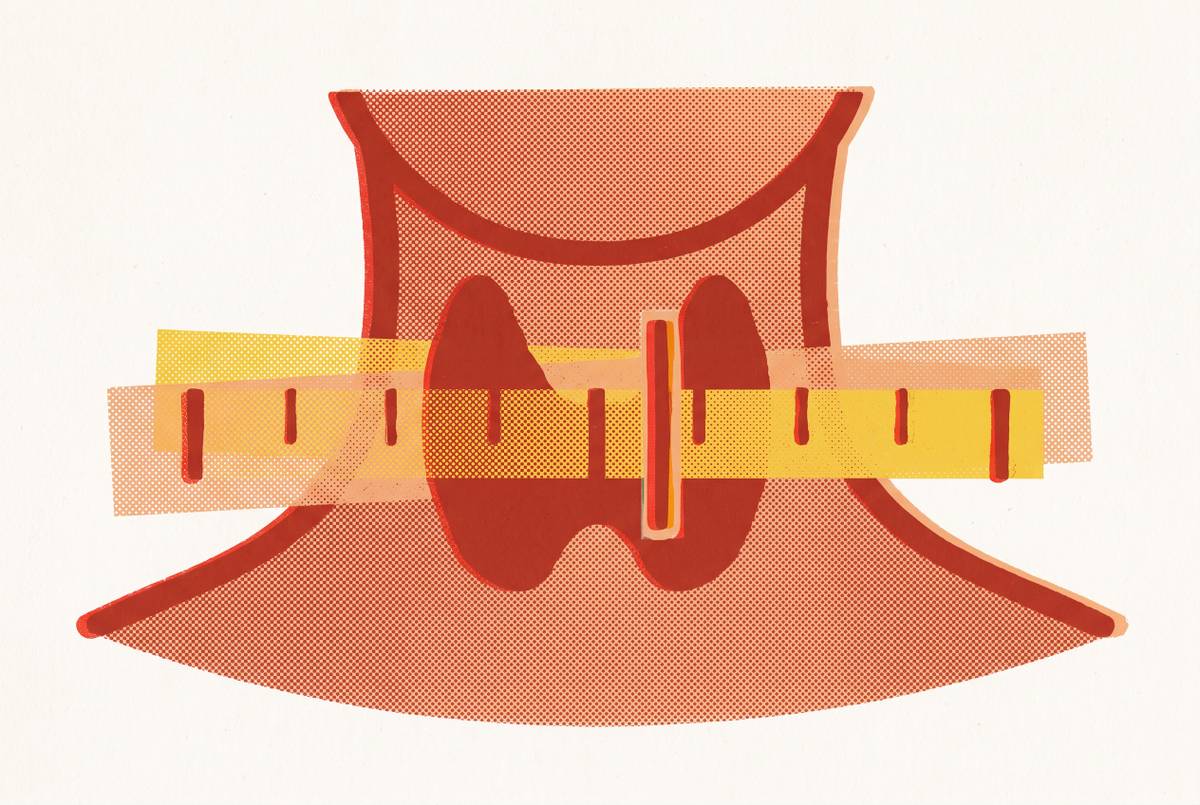
Prolactin Elevation Beyond Pregnancy and Nursing
Elevated prolactin causes metabolic and reproductive damage beyond hormone imbalance.
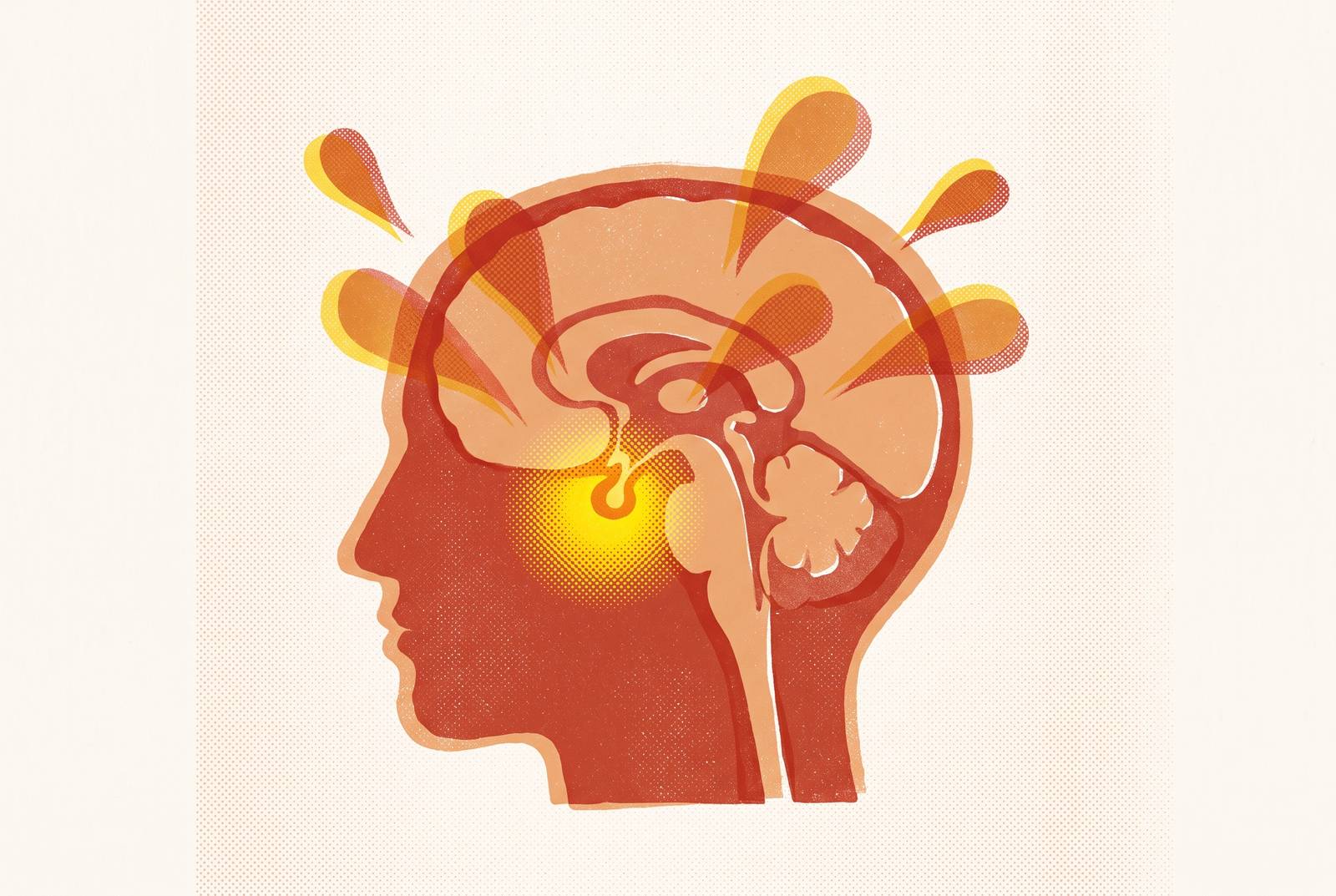
Prolactin is a pituitary hormone, and outside of pregnancy and nursing, its significance is metabolic and reproductive. The pituitary gland produces prolactin, and its release is normally kept in check by dopamine, which acts as a constant braking signal. Anything that interrupts that dopamine tone lets prolactin rise, and that single mechanism explains most of what follows in this article.
Beyond its role in milk production, prolactin participates in regulating the reproductive axis, supports immune function, and influences metabolism. What it is, is a starting point for asking better questions.
Reading an elevated prolactin result
Many elevated prolactin readings reflect temporary, reversible conditions. A handful of physiological triggers can push prolactin up for a few hours without any disease behind it: physical or emotional stress (including anxiety about the blood draw itself), vigorous exercise in the 24 hours before the draw, nipple stimulation, recent eating, and recent sexual activity. None of these indicate a problem. They indicate that prolactin is a hormone sensitive to context, and the context has to be controlled before the number means anything.
That's why the pre-test protocol exists. Repeat testing before imaging is the right first move, not a delay tactic.
The most underappreciated source of false positives has a name: macroprolactinemia. In a meaningful share of elevated prolactin samples, the hormone is bound to IgG antibodies, so it forms large complexes that have no biological activity. Standard assays measure total prolactin, so they can't tell you whether it's the active form or this inactive, antibody-bound form. PEG (polyethylene glycol) precipitation solves that problem: it clears out the inactive complexes and leaves only the biologically active monomeric prolactin to be measured. If that active fraction comes back normal after PEG testing, the condition is benign and typically needs no treatment. For a proactive patient, the practical move is to request a macroprolactin (PEG precipitation) reflex test before an MRI gets ordered.
The level itself offers a rough map for what's going on. If you see mild elevation, 25 to 50 ng/mL in women or 20 to 50 ng/mL in men, it's often physiological or medication-related, so repeat testing comes before anything else. Moderate elevation, in the 50 to 100 ng/mL range, warrants real investigation, with medications and hypothyroidism as the most common culprits at that level. Anything above 500 ng/mL strongly suggests a macroprolactinoma and calls for urgent endocrinology referral. Drug-induced hyperprolactinemia rarely exceeds 118 ng/mL, except with risperidone or metoclopramide, which can push levels above 200 ng/mL without any tumor present. The level alone can't tell a clinician the cause, but the magnitude narrows the list considerably.
The distinct causes of persistent elevation
Rule out physiological noise and lab artifacts, and persistent hyperprolactinemia traces back to a specific, identifiable set of causes. Each one has its own clinical profile, its own downstream risk, and its own treatment path.
The most common cause of persistent, significant elevation is a prolactinoma, a benign tumor of prolactin-secreting pituitary cells. Microprolactinomas are smaller and tend to produce lower prolactin levels, but macroprolactinomas (10 mm or larger) are less common, and they typically run above 250 ng/mL, often climbing past 500. Despite the word "tumor," prolactinomas are benign and highly treatable, and most respond well to dopamine agonist medication without ever needing surgery.
Medications are the most common non-physiological cause. Common drug classes include antipsychotics like risperidone and haloperidol, antidepressants such as SSRIs and tricyclics (which act through serotonergic pathways rather than dopamine blockade), antihypertensives like methyldopa and verapamil, opioids, anti-nausea medications such as metoclopramide and domperidone, estrogen-containing contraceptives, and H2 blockers like cimetidine and ranitidine. The Endocrine Society's guideline position is direct on this point: clinicians shouldn't treat asymptomatic medication-induced hyperprolactinemia. The better move is managing the medication itself with the prescribing clinician, not layering a prolactin-lowering drug on top.
Hypothyroidism is a third distinct cause, and one that's easy to miss. Low thyroid hormone triggers increased TRH (thyrotropin-releasing hormone), and TRH stimulates both TSH and prolactin. An underactive thyroid can produce genuine prolactin elevation with no pituitary pathology involved. If you correct thyroid hormone levels, mild-to-moderate elevation tied to hypothyroidism typically resolves, so you should check TSH at the same time as prolactin. Symptoms overlap enough, fatigue, weight gain, menstrual irregularity, cold intolerance, that treating the thyroid often restores prolactin without any further intervention.
Kidney disease, liver disease, and PCOS also round out the list of organic causes. PCOS can present with mild prolactin elevation alongside its usual hormonal imbalance, but a significantly elevated level in someone with PCOS should prompt a look for another cause rather than an automatic shrug toward the PCOS diagnosis.
Finally, chest wall stimulation and related neurogenic triggers can raise prolactin through nerve signals that reach the pituitary. Chest surgery, shingles on the chest, significant chest trauma, and frequent nipple stimulation can all cause it. These cases resolve once the underlying stimulus is removed or treated.
What chronic prolactin excess does to the body
Persistent hyperprolactinemia doesn't stop at disrupted menstruation or low libido. It sets off a cascade touching hormones, metabolism, and the cardiovascular system, and most of that cascade reverses once prolactin comes back down to normal.
The reproductive axis takes the most direct hit. A 2025 cohort of men with idiopathic hyperprolactinemia and normal testosterone reported primary complaints of low libido, gynecomastia, impotence, and erectile dysfunction, at a mean prolactin level of 38.22 ng/mL, a level many would consider only mildly elevated.
Bone loss follows a slower, quieter path. It occurs because hyperprolactinemia suppresses estrogen and testosterone, and those sex steroids are what keep bone density intact. Spinal bone density is measurably decreased in women with hyperprolactinemia, and the longer the elevation persists, the more of that loss becomes permanent rather than fully reversible even after prolactin returns to normal.
Metabolically, chronic hyperprolactinemia is tied to increased appetite, weight gain, and elevated BMI, through a mix of altered dopaminergic tone, leptin resistance, and direct effects on fat tissue. Glucose regulation suffers too: elevated fasting glucose, elevated HbA1c, and insulin resistance appear in affected patients.
Cardiovascular risk extends beyond the reproductive effects that get the most clinical attention. Elevated high-sensitivity CRP (hsCRP) has been found in patients with prolactinoma, and those levels decrease following dopamine agonist treatment, pointing to a genuine inflammatory component tied to the hormone itself. There's a feedback loop with sleep as well: sleep disturbances can elevate prolactin, and elevated prolactin disrupts sleep architecture in turn, producing fragmented sleep and morning fatigue that reinforce the original elevation.
Taken together, this is the case for treating a flagged result as more than a number. The bone loss finding is the clearest argument for early action: prolonged elevation accrues a cost that short-duration elevation does not.
The diagnostic workup a proactive patient should expect and request
A structured workup for elevated prolactin follows a logical order: rule out confounders first, then identify the actual cause. A patient who understands that sequence can ask for the right next step instead of waiting for each one to arrive reactively.
If the initial result is borderline or mildly elevated, ask for a repeat fasting morning draw under calm conditions, three to four hours after waking, with no vigorous exercise or nipple stimulation in the preceding 24 hours.
The second step is ruling out macroprolactinemia before any imaging happens. Requesting a macroprolactin (PEG precipitation) reflex test answers this directly. If active monomeric prolactin comes back normal after precipitation, the diagnosis is macroprolactinemia, a benign condition that's typically asymptomatic and requires no treatment and no MRI.
Third, TSH should be checked at the same time as prolactin. Missing it means treating the wrong problem.
Fourth comes a medication review.
Sixth, and only after the above have been worked through, is the pituitary MRI. It's recommended when prolactin is in the 100 to 500 ng/mL range and other causes have been ruled out, or when symptoms like headaches or vision changes suggest a tumor directly. An MRI is not the right first step for a mildly elevated, symptom-free result. If you order it before you rule out macroprolactinemia, hypothyroidism, or medication effects, you add cost and anxiety but no information. When an MRI is indicated, it's looking for two things: whether the finding is a microprolactinoma or macroprolactinoma, and whether the tumor is pressing on nearby structures, including the optic nerve.
Some symptoms justify skipping the queue and getting prompt medical attention rather than a scheduled workup: vision changes, severe or new headaches, sudden cessation of menstruation, or unexplained nipple discharge paired with any neurological symptom.
Treatment once a cause is confirmed
Most causes of persistent hyperprolactinemia respond well once identified. For prolactinomas specifically, medication is the standard first approach, and it works for most patients without surgery ever entering the conversation.
Dopamine agonist therapy is the backbone of prolactinoma treatment. These drugs lower prolactin, improve the clinical symptoms tied to it, and shrink the adenoma itself. The Pituitary Society's international consensus statement, published in Nature Reviews Endocrinology, says dopamine agonists are the most common first-line treatment, but it also notes that surgery deserves discussion as a first-line option in selected patients. A head-to-head randomized trial of 459 women found that cabergoline normalized prolactin in the large majority of cases and outperformed bromocriptine on both effectiveness and tolerability.
One finding from 2026 longitudinal data sets the right target for treatment: normalizing prolactin, not suppressing it below normal, is the goal. Pushing suppression beyond normalization didn't add any further cardiometabolic benefit. So if you're wondering whether more treatment is automatically better, it isn't.
Surgery and radiation are reserved for tumors that are large, resistant to medication, or pressing on structures like the optic nerve. For hypothyroidism-driven elevation, treating the thyroid condition typically resolves the prolactin elevation on its own.
Bone density monitoring matters too for anyone who has gone through a prolonged period of elevation, given how much of that bone loss can be permanent.
One objection deserves a direct answer. The Endocrine Society recommends against treating asymptomatic medication-induced cases, but "asymptomatic" is a judgment made in a short clinical encounter. Subtle libido changes, sleep disruption, and shifts in body composition often aren't visible in that kind of visit. A patient who tracks symptoms carefully over time is in a better position to inform that judgment than one who waits for a clear threshold to be crossed.
Lifestyle and nutritional factors that support normal prolactin regulation
Several lifestyle inputs shape your dopamine tone and metabolic health, and they can support normal prolactin regulation. The strength of evidence behind each one varies considerably, and none of them substitute for clinical treatment once a medical cause has been confirmed.
Vitamin B6, in its activated form P5P (pyridoxal-5-phosphate), has the strongest evidence behind it of the group. B6 acts as a cofactor for AADC, an enzyme involved in dopamine synthesis, and higher dopamine tone suppresses pituitary prolactin release. In a trial of 60 women of reproductive age, 300 mg of vitamin B6, split into three daily doses, cut prolactin about as much as cabergoline did. The activated form, P5P, dosed at 50 mg once or twice daily, comes up in clinical contexts as a lower-dose entry point. One limit matters here: excessive B6 supplementation can cause peripheral neuropathy, so this isn't something to take without clinical guidance.
Zinc plays a supporting role. It's essential for synthesizing, storing, and releasing neurotransmitters, including dopamine, and its contribution to lowering prolactin is attributed to that neuroendocrine influence. The evidence behind zinc is more mechanistic than trial-based, and it's often discussed alongside B6.
Exercise intensity deserves a second look for anyone with persistent elevation.
Vitex agnus-castus, or chasteberry, comes up often in discussions of prolactin, traditionally cited as a dopaminergic herb that inhibits prolactin release. Its evidence base is considerably thinner than B6's, making it a conversation to have with a clinician.
If you improve sleep consistency and manage stress, you support dopaminergic tone, and that can plausibly help break that cycle.
Approaching a prolactin result as a proactive patient
Getting an accurate prolactin result is only half the equation. Knowing what to test alongside it, and when, is what turns a single number into something genuinely useful.
A prolactin test is accessible without a referral in many settings, which raises the real question: what should accompany it? TSH belongs with every prolactin test, since hypothyroidism is both a common cause of elevation and a common source of confusion when it's missed. A basic metabolic panel covers kidney and liver function, so it rules out impaired clearance as the mechanism. Reproductive hormones, LH, FSH, and estradiol in women, testosterone in men, map how much the HPG axis has already been affected, which matters even when symptoms feel mild. And hsCRP gives you a cardiovascular risk baseline, because prolactinoma patients show an inflammatory signal on that marker.
There's a case for testing before symptoms become obvious. Bone loss, metabolic disruption, and cardiovascular risk start accumulating before a person reports anything in a clinical visit. The Endocrine Society's own "asymptomatic" category likely understates the subclinical burden that a patient tracking their own markers over time would actually notice.
If a result does come back elevated, the sequence laid out earlier in this piece gives a patient the vocabulary to ask for what comes next: a repeat fasting draw, a macroprolactin reflex test, a TSH check, a medication review, all before any imaging gets ordered. That sequence is what separates a correctable finding caught early from a problem that's had years to compound.